
Online gaming communities have transformed from small forum-based groups into massive global networks connecting millions of players. What was once limited to in-game chats and niche discussion boards has evolved into a dynamic ecosystem of social media platforms, streaming services, esports tournaments, and digital news hubs. Today, gaming communities influence entertainment trends, shape online culture, and drive the growth of competitive titles worldwide.
The speed at which these communities are expanding is unprecedented. Technological innovation, accessibility, and the professionalization of esports have created an environment where gamers are more connected than ever before.
The Role of Esports Ecosystems and Media Platforms
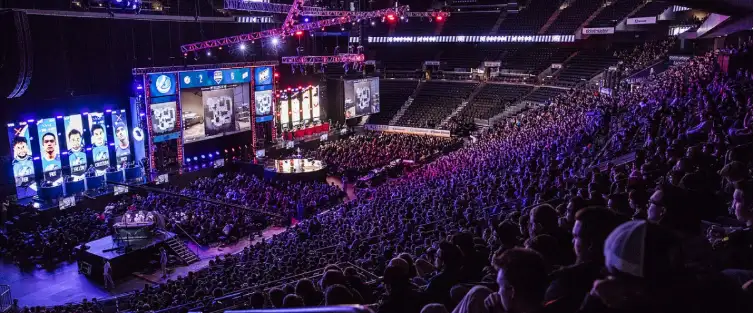
One of the strongest drivers of community growth is the development of structured esports ecosystems. Competitive gaming titles such as CS2, Dota 2, and League of Legends operate year-round circuits that keep audiences engaged. Tournaments, roster changes, and patch updates generate constant discussion among fans.
As competitive scenes expand, dedicated esports platforms like egw play an essential role in centralizing match schedules, team rankings, and tournament coverage, allowing players and fans to stay informed while participating in ongoing community debates about performance, strategies, and transfers. This continuous information flow strengthens online interaction and ensures that gaming discussions remain active between major events.
Unlike traditional gaming forums of the past, modern esports communities operate across multiple channels simultaneously. Reddit threads, Twitter discussions, and YouTube breakdowns all contribute to layered engagement. News articles spark debate, while tournament broadcasts inspire highlight clips and analytical content.
The ecosystem is self-sustaining. Professional competition fuels conversation, and conversation increases viewership, which in turn attracts sponsors and investors, further expanding the industry.
Streaming Culture and Real-Time Interaction
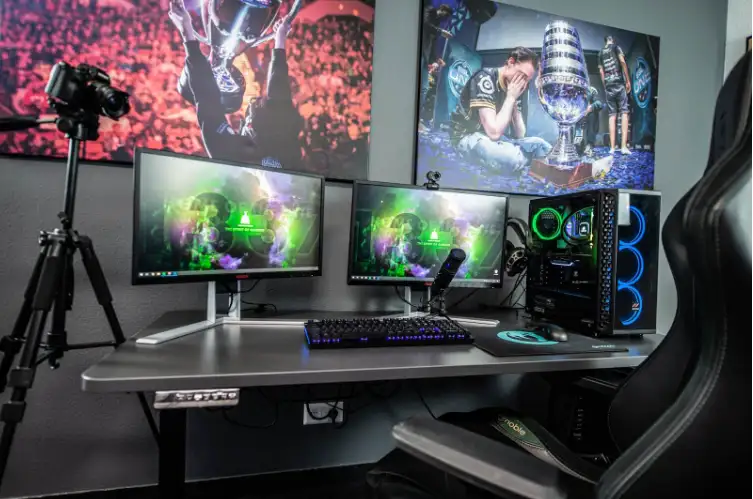
Streaming platforms have fundamentally changed how gaming communities interact. Services like Twitch and YouTube allow players to broadcast gameplay in real time while viewers participate through live chat. This creates a shared experience that extends beyond the game itself.
Streamers often serve as community leaders. Their channels function as digital meeting points where fans discuss gameplay strategies, esports results, and industry news. A single popular streamer can gather thousands of concurrent viewers, each contributing to ongoing conversation.
Unlike traditional media, streaming allows immediate feedback. Viewers ask questions, influence in-game decisions, and react collectively to dramatic moments. This interactive structure strengthens emotional connection and builds loyalty.
Furthermore, recorded streams are repurposed into short-form clips for TikTok, Instagram, and YouTube Shorts. These highlights introduce gaming culture to wider audiences who may not actively follow esports but become curious after encountering viral content.
Accessibility and Technological Advancements
The rapid growth of online gaming communities is also driven by improved accessibility. High-speed internet, affordable gaming hardware, and cross-platform play have lowered entry barriers. Players can join multiplayer matches from PCs, consoles, and even mobile devices.
Voice communication tools such as Discord have simplified group interaction. Communities now organize tournaments, share strategies, and host discussions within dedicated servers. These digital spaces function similarly to clubs or associations in traditional sports but without geographic limitations.
Cloud gaming and subscription services further expand reach. Individuals who may not own high-end hardware can still participate in competitive titles through streaming technology. As access increases, so does community size.
In addition, game developers actively support community-building features. In-game events, seasonal competitions, and cosmetic updates encourage players to remain engaged long-term. This sustained interaction fuels continuous growth rather than short-term spikes.
Social Identity and Cultural Influence
Online gaming communities provide more than entertainment; they offer a sense of identity. Players align themselves with specific teams, games, or streamers. This alignment shapes online personas and social connections.
Competitive gaming fandom mirrors traditional sports loyalty. Supporters follow favorite teams across tournaments, analyze roster changes, and debate strategic decisions. These discussions often extend beyond gameplay into broader cultural conversations about technology, performance, and digital creativity.
Esports has also become intertwined with mainstream culture. Musicians collaborate with gaming brands, fashion companies release esports-inspired apparel, and celebrities appear at major tournaments. This crossover appeal attracts new audiences who join communities not only for gameplay but also for cultural engagement.
Importantly, online communities provide global inclusivity. Players from different countries interact daily, breaking language and cultural barriers. Multilingual broadcasts and translation tools make it easier for diverse audiences to participate in shared experiences.
Economic Incentives and Career Opportunities
The growth of online gaming communities is reinforced by economic opportunities. Streaming, content creation, coaching, and esports journalism have become viable career paths. As more individuals see potential income streams within gaming, participation increases.
Professional players gain international recognition, inspiring aspiring competitors to join amateur leagues and community tournaments. Meanwhile, brands and sponsors invest heavily in esports marketing, strengthening infrastructure and expanding event coverage.
Monetization features such as subscriptions, donations, and sponsorships reward active participation. Community members are not merely spectators; they contribute financially and creatively to the ecosystem. This mutual investment deepens commitment and accelerates expansion.
The integration of blockchain technologies, digital collectibles, and in-game marketplaces further enhances economic engagement. Virtual economies create additional incentives for players to remain active within gaming networks.
Conclusion
Online gaming communities are growing faster than ever due to a combination of esports professionalization, streaming culture, technological accessibility, and economic opportunity. Unlike earlier gaming eras, today’s communities operate across interconnected platforms, maintaining constant engagement through tournaments, social media discussions, and digital content.
Structured esports ecosystems and dedicated media hubs ensure that fans remain informed and involved throughout the competitive calendar. Meanwhile, streaming platforms and social tools enable real-time interaction that strengthens social bonds.
As technology continues to evolve and gaming becomes even more integrated into mainstream culture, online communities will likely expand further. Their growth reflects not only the popularity of competitive titles but also the broader transformation of digital entertainment into a global, interactive experience that connects millions worldwide. For more information, click here.